We spent 10 weeks in central Italy working our tails off for a professional chef, living on the local economy, visiting off-the-beaten-track cultural and culinary venues, and realizing our dream. In Part 1 we discussed how we met Chef Lorenzo Polegri and established ourselves in the village of Baschi in the central Italian province of Umbria. In Part 2 we described the environment in which we worked and some of the courses we prepared. Come along as we continue exploring the world of Casale Polegri and Chef Lorenzo, “The Farmer Chef.”
Our Routine.
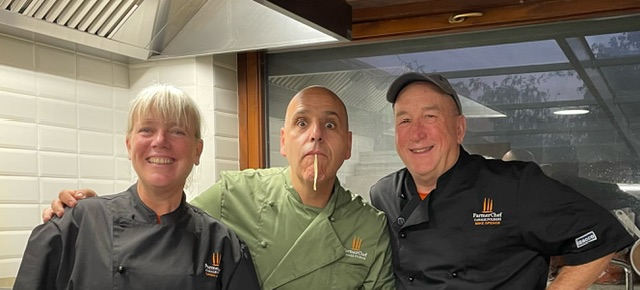
As late summer advanced into fall our skills improved with experience. Chef Lorenzo gave us more responsibility and freedom to experiment with his basic recipes. He also provided creative license to use available condiments, herbs and flavors. Arriving at Casale Polegri around 8:00am, we opened the kitchen, warmed up the stoves and dishwasher. We tallied the number of expected guests, took inventory of food stocks, and confirmed the day’s menu. Caren started her breads for the antipasti. I diced onions, carrots and celery, the “Italian Trinity” as I call it, for the mirepoix base for sauces and stews.
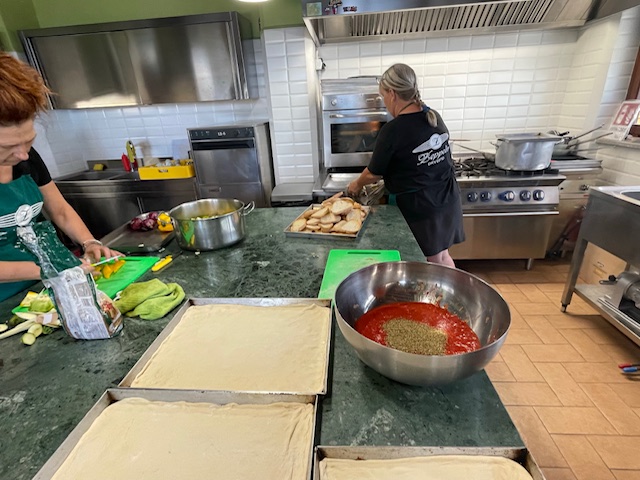
We were not used to being on our feet for 12 hours a day, racing from one chore to another. We resorted to humor to keep the atmosphere light and cordial without getting in each other’s way. Several times a day someone would call out “café?!” and everyone would stop to catch their breath and come together as fresh cups of espresso emerged. Our days were almost non-stop; we rarely ate whole meals since we were constantly sampling the day’s preparations. Occasionally we boxed up and carried home extra helpings from that day’s efforts for a midnight snack.

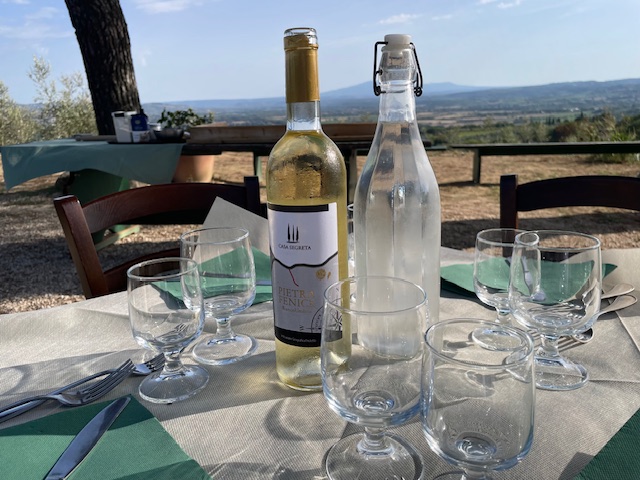
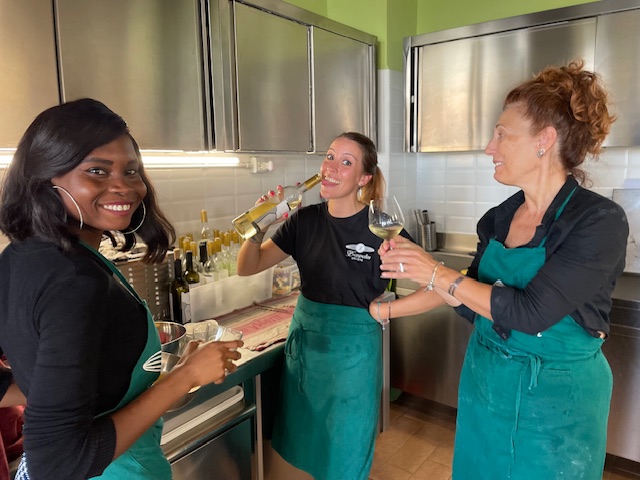
Around 9pm, after the final group of guests departed, the plates and glasses had been washed, dried and put away, we saluted another successful day with a well-deserved glass of Lorenzo’s Sangiovese wine. Walking away in the dark, our fellow kitchen workers begged to drop us off at our apartment. It was one mile down a dark narrow lane. They wanted to keep us safe from the chinghiale (cheen-gee-a-lay, Italian wild boar) feared to be lurking in the dark! Our walk home was an enjoyable way to release the day’s turmoil. We could smell the fields of freshly harvested wheat. We listened to nothing but the dark countryside. Okay, we did have to descend the steep, winding, narrow tree-covered lane past the silent dark cemetery with the flickering electric candles; but, we never saw or heard the wild boar!
Diversions
Besides preparing meals for tour groups and parties, Chef Lorenzo also hosts cooking classes for up to a dozen guests, lasting from one day up to two weeks. These sessions increased as the tour season began to wind down in October. Many of these groups were organized by people who had visited Casa Segreta in the past or knew Chef Lorenzo from his Italian cooking demonstrations in the United States. By the time these small group classes became more frequent, Caren and I were “old hands” in the kitchen.
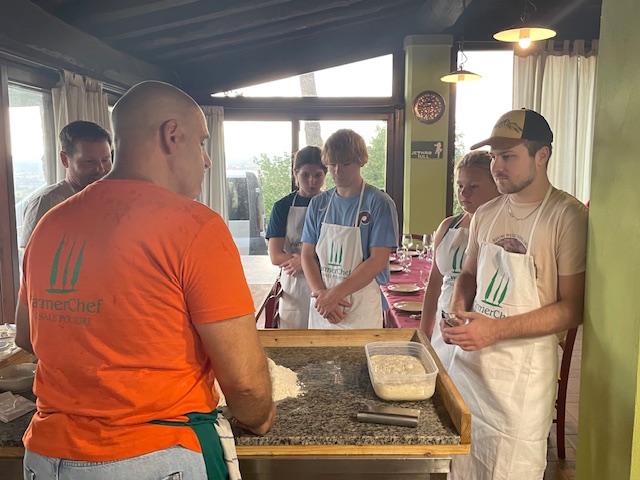
Chef Lorenzo led the small group cooking experience, dividing the group into several stations, each working on a different dish. During these classes, the students became sous chefs while we observed, guided, found needed kitchen implements, gave proper knife handling demonstrations and ancillary food preparation lessons, and kept an eye on sanitation and safety. “Who wants to make focaccia?” or “Let’s make some sauces” would ring out as we took small groups off to impart the skills we had mastered.
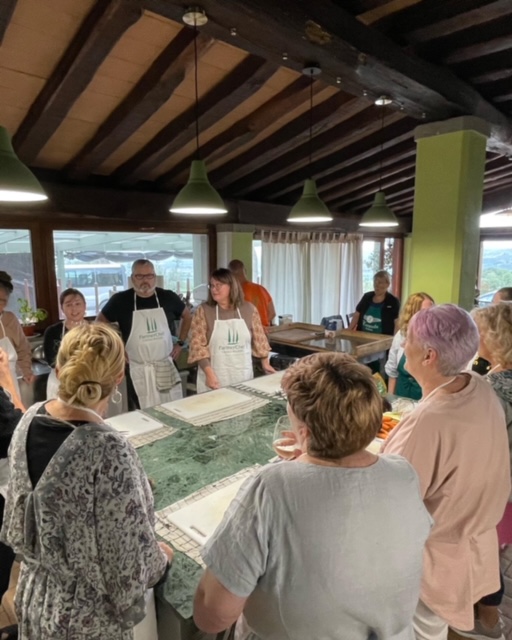
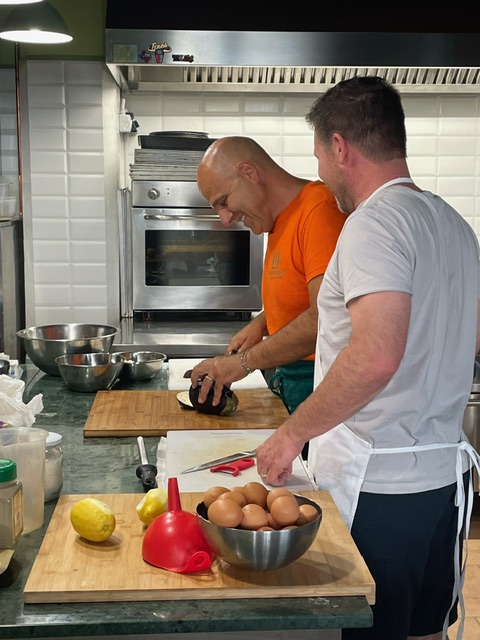
The students learned to make a variety of pesto sauces – pesto is not just pine nuts, olive oil and parmesan cheese; pesto can also be sun dried tomato or spinach-based. For the students who stayed longer than a day or two, the lessons and menus became more elaborate. The student cooking stations prepared main courses. These included porchetta, lasagna, polenta with porcini mushrooms, gnocchi, and soups. Breads such as snail-bread, focaccia, and pizza were also made. Desserts included biscotti, tiramisu, and gelato. After several hours of work, we all sat down to enjoy the meal prepared by many hands and shared stories over bottles of wine.
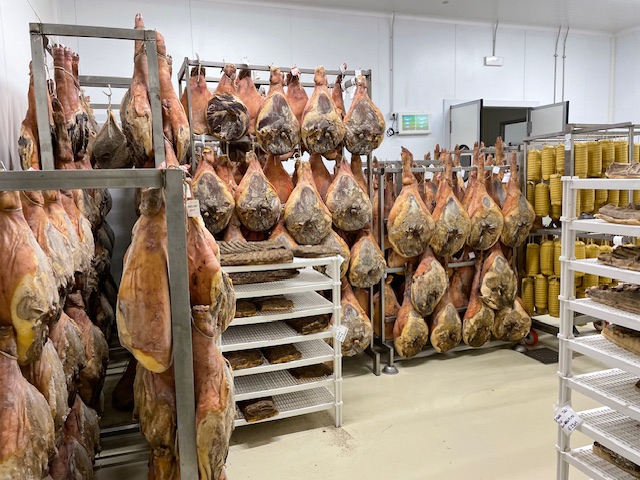
The longer sessions were broken up by Lorenzo-led cultural field trips. We visited Etruscan, Roman, and medieval archeological sites, toured Orvieto and other hilltop towns, and enjoyed noted churches and basilica including Assisi and Sienna. Some of our favorite field trips were to regional food processors. We went wine tasting in Tuscany and visited a salumi producer where sides of hogs were processed into cured pork products to become prosciutto hams, guanciale (pork cheek), and over 20 different types of salami.
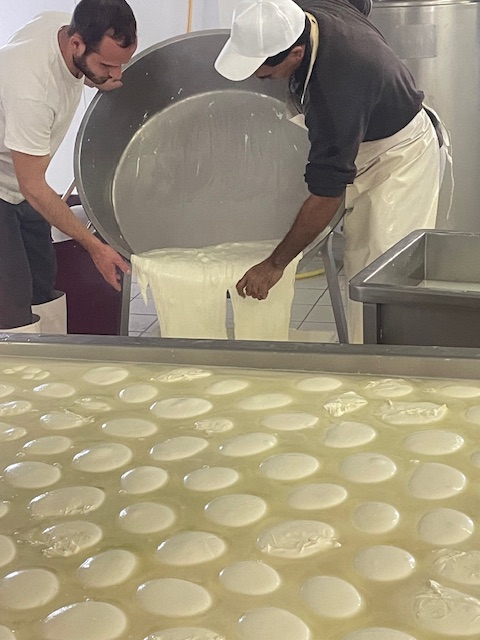
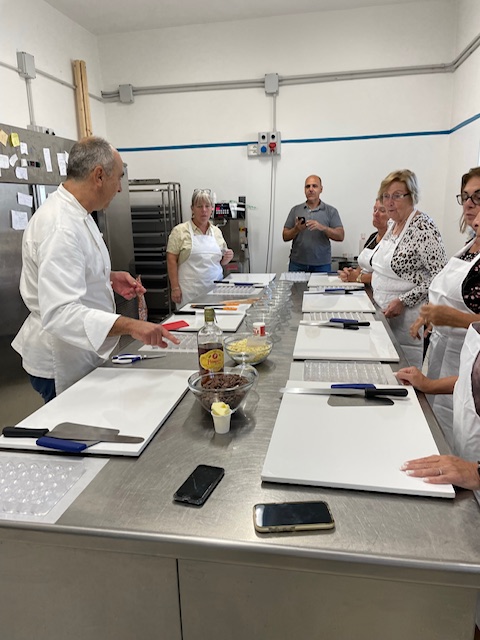
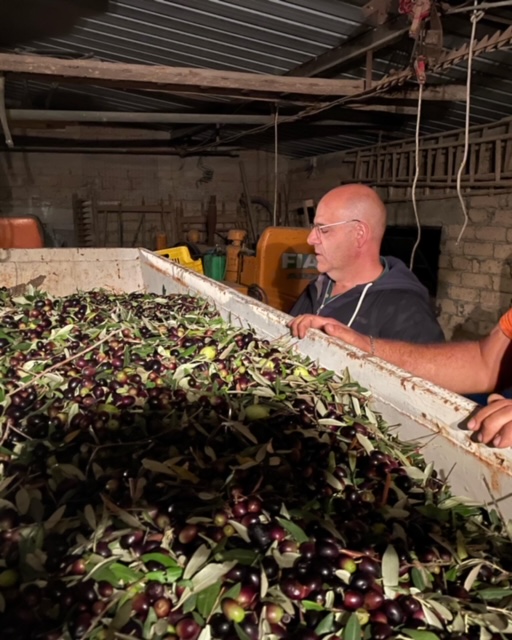
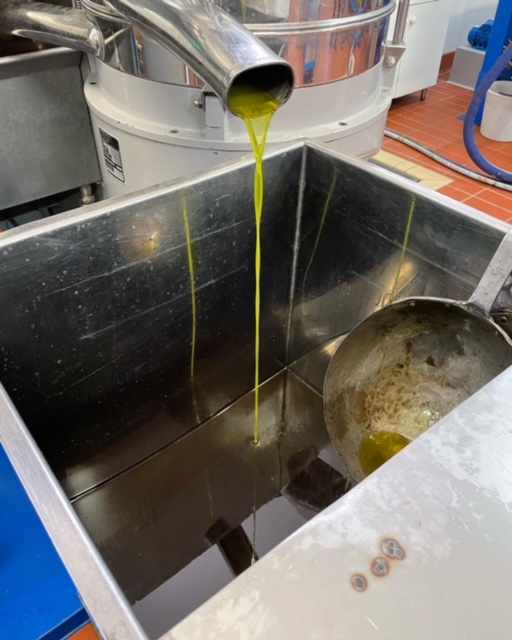
We accompanied Casa Segreta’s wine grapes as they started their journey into wine at the local cooperative and watched Lorenzo’s newly harvested olives crushed and spun into the fresh, delicious estate olive oil. We traveled an hour north to receive a lesson in chocolate candy creation from Max Guidubaldi, Il Maestro Cioccolatiere. Max worked in the main Perugia candy factory for years and now has his own chocolate and pastry cafe. We visited a mozzarella di bufala farm where water buffalo are milked twice a day to produce fresh creamy cheese. In all these places, our groups received special treatment due to the proprietors’ long relationships with and respect for Chef Lorenzo. Along the way, we experienced and tasted the best that Central Italy has to offer at the optimum seasonal moment of freshness and flavor.
Arrivederci!
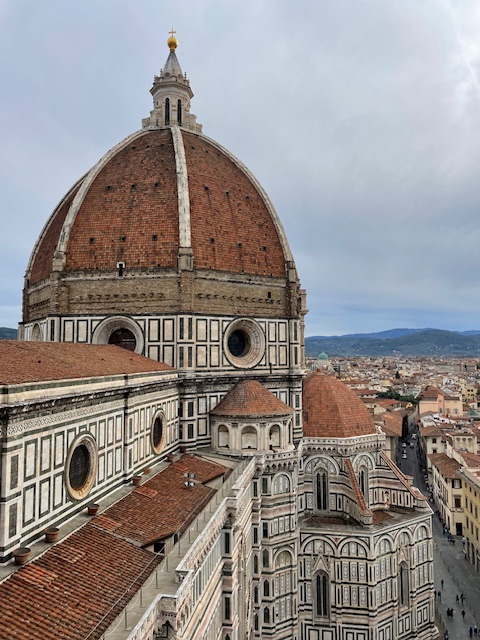
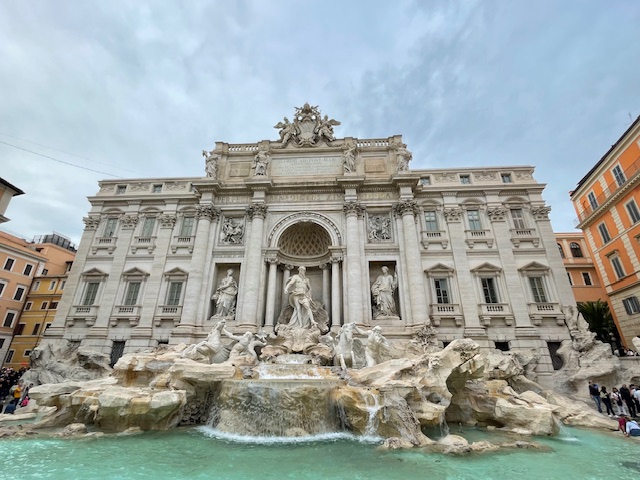
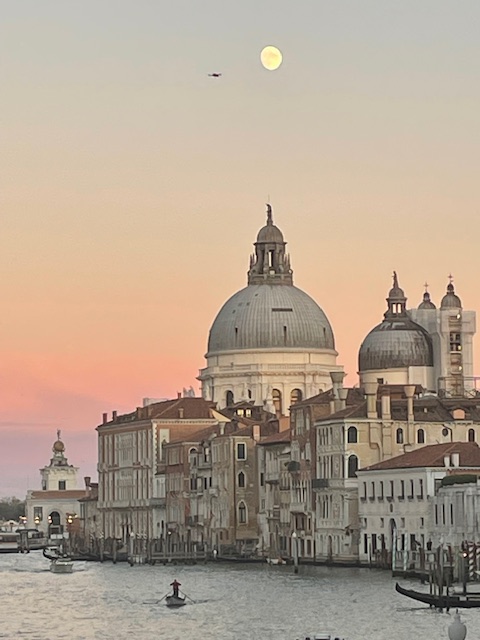
By late October, tour groups became less frequent. Caren and I took opportunities to venture out on our own sightseeing trips, visiting Rome, Florence, Pisa, Sienna and, best of all, Venice. Our time at Casa Segreta came to an end in mid-November. It was a once in a lifetime experience working very hard with wonderful people and an extraordinary mentor.
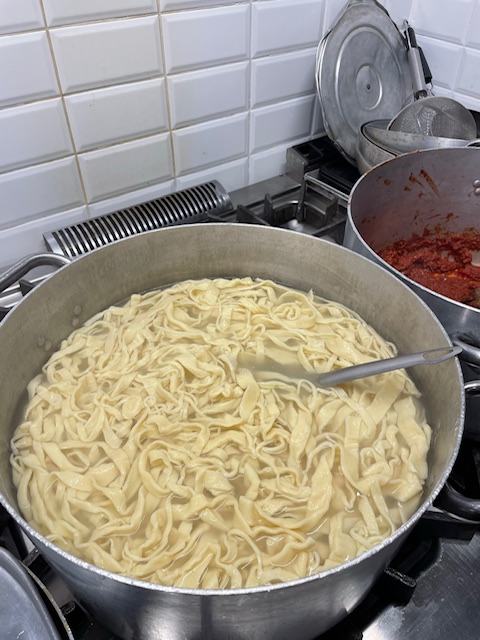
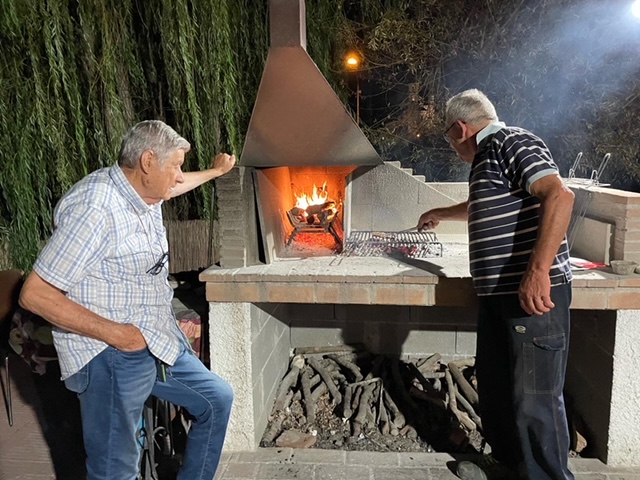
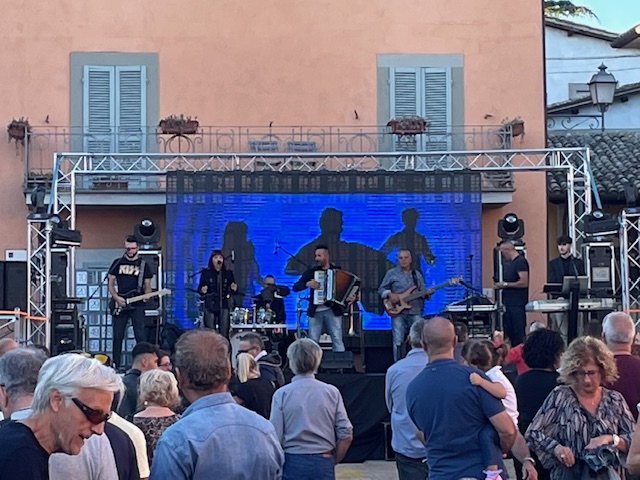
We brought home an amazing array of traditional Italian recipes and professional techniques. We have special memories of being adopted into the local community, invited to festivals and restaurants with our neighbors, and made to feel welcome and at home. We gained an immense respect for artisans whose families have been creating fresh, quality ingredients for generations. In addition to Chef Lorenzo’s instructions, we also brought home fresh Casa Segreta olive oil and wine! Since our return, we have multiplied our memories by doing our best to recreate his recipes for relatives, friends, and neighbors across the country.
Our Italian culinary adventure was not without monetary cost. We paid for our lodging, Chef Lorenzo’s instruction and contributed to the cost of cultural tours. This fact was not lost on one of our guests who, after we described how long, and intensely, we worked every day said, “So let me get this straight, you actually pay to work that hard?” We were momentarily dumbfounded as the question had not even occurred to us. I responded genuinely, “Yeah, I guess so, but the experience is priceless.”
More information about Chef Lorenzo Polegri, his business Casale Polegri, and his farm at Casa Segreta, including how to schedule cooking school opportunities and purchase Casa Segreta products such as wine, olive oil, and cookbooks, can be found at: https://en.casalepolegri.com/
 CMAdventures
Leave a comment